





- Little Regent Nursery
- Toddlers
Dealing With a Toddler Who Says No to Everything
Somewhere around the second birthday, one small word starts doing an enormous amount of work. No to the blue cup. No to the red cup. No to the coat, the car seat, the very same breakfast that was a favourite yesterday. For many families it feels as though a cheerful baby has been swapped overnight for a tiny negotiator.
It helps to know what is actually happening. Your child has just worked out that they are a separate person with their own opinions, and “no” is the fastest way to test that discovery. It arrives long before the language needed to say “I would rather do this first”, so it stands in for all of it.
That does not make getting out of the house any quicker. But it does change the question from “how do I stop this?” to “how do I give my child enough genuine say that they don’t need to fight for it?”
A toddler who says no to everything is practising saying no to something. Handled gently now, it becomes the confidence to speak up later.
Offer two choices you are happy with
Open questions invite a refusal. “Are you ready to get dressed?” has an obvious answer. “Cardigan or jacket?” does not. Two options, both of which suit you, hand your child real control over something small while the bigger thing quietly goes ahead.
Say yes to the idea, no to the timing
“No park now” lands very differently from “Yes, the park after lunch. Shall we put your shoes by the door so they’re ready?” Nothing has changed about the answer, but your child hears agreement rather than a wall, and gets a job to do in the meantime.
Name the feeling before the rule
“You really wanted to keep playing. It’s hard to stop.” A child who feels understood argues for less time than a child who feels dismissed. Say the feeling out loud first, then state what happens next, calmly and once.
Keep the non-negotiables short
Car seats, holding hands near the road, teeth, hand washing. Decide what genuinely cannot flex and let almost everything else be negotiable. Odd socks and a jumper worn back to front are not battles worth having, and saving your firmness for the short list makes it far more effective.
Give warning before every change
Most refusals are really protests about being interrupted. “Two more turns down the slide, then home” gives a toddler time to finish the story in their head. Transitions handled with notice produce a fraction of the resistance.
Let some noes simply stand
If your child says no to the banana, they are allowed to say no to the banana. Not every refusal needs to be overturned. Children who find that their preferences are sometimes honoured have much less reason to test every single one.
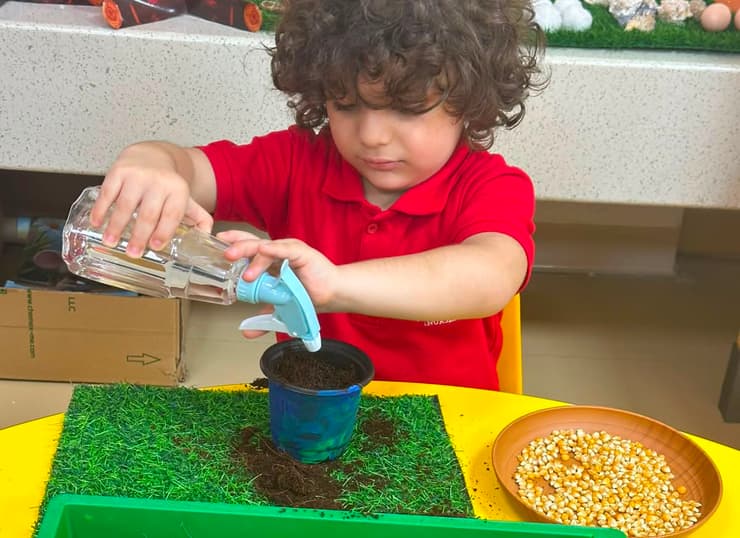
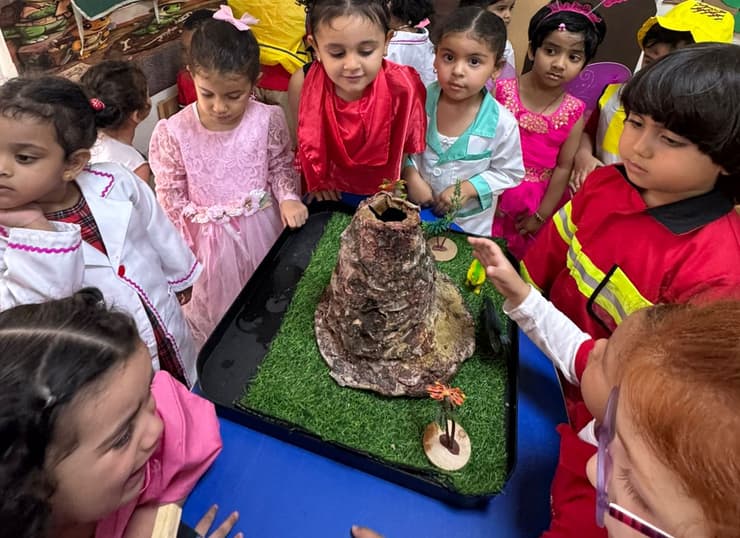
This stage passes, and it passes faster in an environment where children are given honest, manageable choices all day long. At Little Regent Nursery in Tawam, Asharej, every child has a Key Person who knows their signals, their preferences and their limits, and our EYFS routines are built around gentle warnings and predictable transitions. If you would like to see how our team supports toddlers through this stage, get in touch to arrange a visit. We are always glad to talk it through.



Post A Comment