





- Little Regent Nursery
- Parenting
10 Practical Parenting Tips for the Early Years
Nobody hands you a manual with a new baby, and most of the advice that arrives afterwards is either too vague to use or too rigid to live with. What follows are ten habits our educators come back to again and again - small, unglamorous things that quietly change the temperature of a household.
None of them require special equipment, a chart on the fridge, or a perfect day. They simply work better than the alternatives, and they keep working when everyone is tired.
Young children do not need a flawless parent. They need a predictable one who repairs things quickly when the day goes wrong.
The ten
- Get down to eye level before you speak. A request delivered from standing height across a room is easy to ignore. The same words, said crouching and face to face, usually land first time.
- Give warnings before transitions. "Two more turns on the slide, then shoes." Children resist being interrupted, not the activity you are moving to.
- Offer two acceptable choices. "Blue cup or green cup?" gives a toddler real control without opening a negotiation you cannot win.
- Say what you want, not what you don't. "Walking feet" is far easier for a two-year-old to act on than "stop running".
- Name the feeling before you fix the problem. "You are cross because it fell over" often shortens a meltdown more than any solution does.
- Protect the routine, not the schedule. The order of events matters much more to a child than the exact time on the clock.
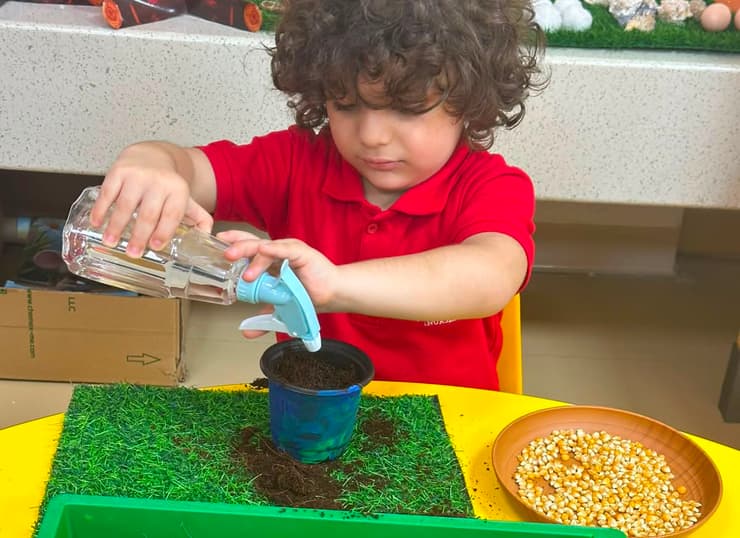
- Let them do the slow version. Zipping a coat badly and unaided beats having it zipped perfectly by someone else.
- Praise the effort and the strategy. "You kept trying a different way" is something a child can repeat tomorrow; "clever boy" is a label they then have to defend.
- Keep boundaries few and firm. Three rules you always hold are kinder than fifteen that shift with your mood.
- Repair out loud. "I shouted. That was not fair. Let us start again." Children learn how to apologise by watching someone do it properly.
Why less is usually more
Parents often assume they are under-doing it - not enough activities, not enough stimulation, not enough conversation. In practice, the families who find early childhood easiest tend to do fewer things more consistently. A short bedtime routine that happens every night is worth more than an elaborate one that happens twice a week.
Give each one a fortnight
Change one habit at a time and hold it for two weeks before you judge it. Children test a new boundary hardest just before they accept it, so the moment it feels least effective is often the moment it is about to work.
At Little Regent Nursery in Tawam, Asharej, we use exactly these approaches with children from two months to four years, and we share what is working in your child's daily communication diary so home and nursery pull in the same direction. If you would like to see it in practice, get in touch to book a visit - our Nursery Manager will happily walk you through a normal morning.




Post A Comment